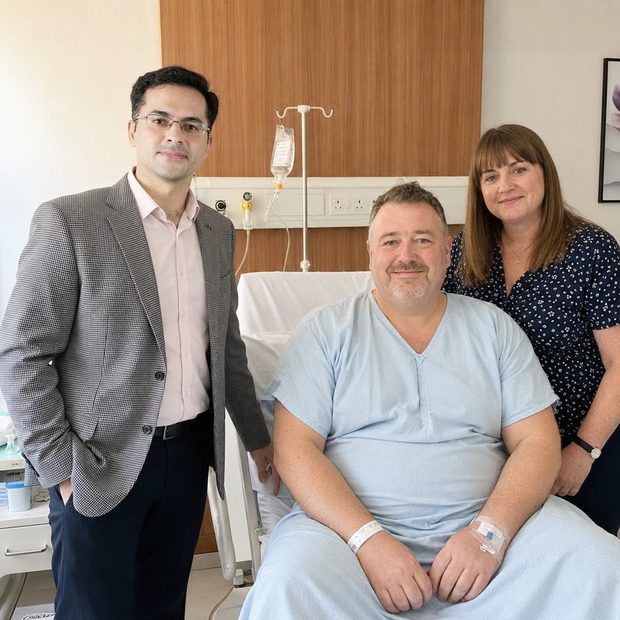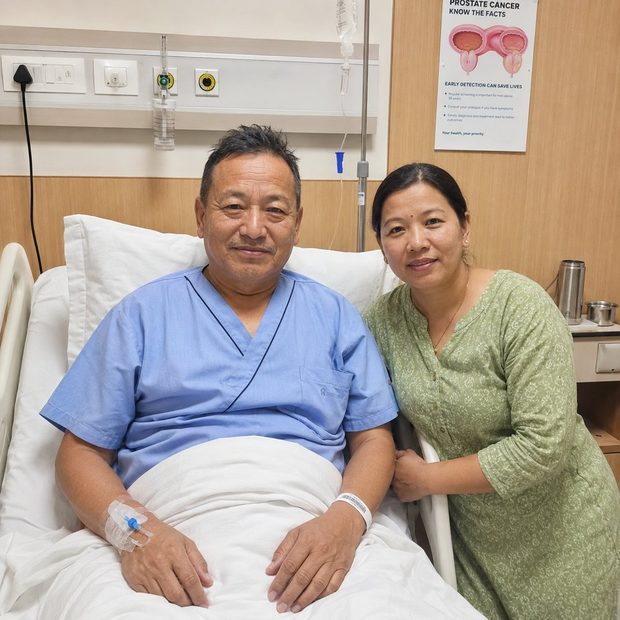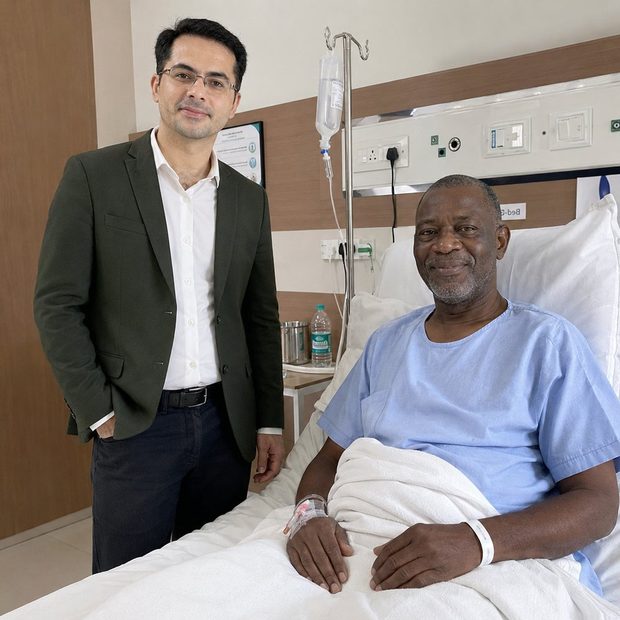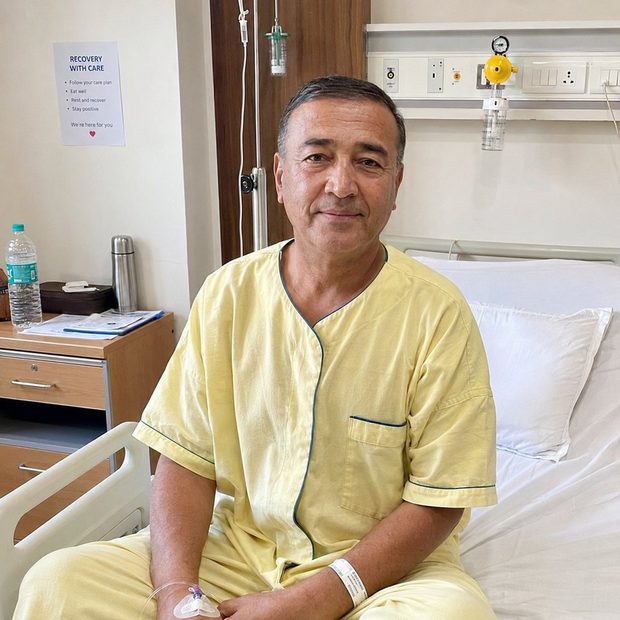
Plan Your Obesity Surgery In India With Forerunners Healthcare Consultants
Obesity is an epidemic spreading like wildfire engulfing almost everyone once coming in grip. It is very important to get a grip over the increasing obesity cases naturally, and if not succeeding, find the right surgeons to treat medically. Forerunners Healthcare Consultants have associated with the top bariatric surgeons in India providing supreme treatment.
- APrimary services: Patients are assisted with arranging medical visa, accommodation for self and family, meals, appointment with surgeon, transport service to and fro airport.
- BExcellent care: Forerunners Healthcare Consultants has ties with the best surgeons and doctors, an important factor in treating any medical condition home or abroad.
- CProfessionals: The benefit of Obesity Surgery in India under Forerunners Healthcare Consultants ensures the utmost care to maintain ethics in meeting patient’s need.
- DCost-friendly: What is the best bariatric surgery cost in India? You shall not be expending too much on health, you can use the money on a comfy and cozy getaway.
- EOther vital facilities: We also take care of quick visa letters, health diet as advised by your attending surgeon, to and fro airport travel, vacation tour, etc.
Overview
Obesity today ranks as a significant health challenge and studies show obesity to be a major cause of preventable mortality. Obesity, perhaps in the next 25 years will become the biggest financial drain on one’s family and country along with other associated life style disorders like Diabetes and Hypertension to name a few. Obesity refers to a spectrum of problems associated with the excess weight ranging from being mildly overweight to being morbidly obese. Patients with morbid obesity do not tend to respond to medical means of weight loss.
What Is Obesity?
Obesity is a condition in which the natural energy reserve, stored in the fatty tissue of humans and other mammals, is increased to a point where it is associated with certain health conditions or increased mortality.
What Causes Obesity?
- ALack of activity
- BOvereating/ Unhealthy eating habits
- CHormonal problems like Cushing’s syndrome and PCOS
- DGenetic reasons/ Family history of obesity
- EPoor lifestyle.
What Is Obesity Surgery?
Obesity surgery includes a variety of procedures performed on people who are obese. Weight loss is achieved by reducing the size of the stomach with an implanted medical device (gastric banding) or through the removal of a portion of the stomach (sleeve gastrectomy or biliopancreatic diversion with duodenal switch) or by resecting and re-routing the small intestines to a small stomach pouch (gastric bypass surgery). Long-term studies show that the procedures cause a significant long-term loss of weight, support recovery from diabetes, helps improve the cardiovascular risk factors, and a reduces the mortality by 23% to 40%.
What Are Types Of Obesity Surgery?
There are several types of obesity surgery, which fall into one of the following three categories:
- ARestrictive
- BMalabsorptive
- CCombination (restrictive/malabsorptive)
Restrictive: This is the term given to a set of procedures which cause a physical reduction of the stomach volume. At present there are three procedures, although one of them – Vertical Banded Gastroplasty is no longer recommended due to a high rate of side effects. Food intake is reduced as a result of smaller stomach capacity: and less food means a reduced calorie intake which will result in weight being lost.
These include the following procedures:
- AGastric bypass
- BSleeve gastrectomy (single technique)
- CGastric band
- DGastric Balloon
Malabsorptive: A malabsorptive procedure is one in which the absorption of food is greatly affected. When food is ingested it passes down the gullet (windpipe) into your stomach. It is then broken down by stomach acids. As it leaves the stomach and enters the top part of the small intestine or duodenum , it comes into contact with digestive juices from the pancreas and bile from the gall bladder. These two causes a further breakdown of the food which means that vital nutrients such as vitamins and minerals are absorbed. However, with a malabsorptive procedure this ability is vastly reduced. Food is not properly absorbed, which means that important nutrients are lost. This can result in vitamin/mineral deficiencies. You will be given daily supplements to replace these. Malabsorptive procedures, such as the jejunoileal bypass are no longer performed.
Combination (restrictive/malabsorptive): These are ‘double whammy’ procedures means that they are comprised of both a restrictive and a malabsorptive element. The restrictive element is the physical reduction of the stomach: which means that smaller meals will have to be eaten (reduced food intake). Combination procedures or ‘restrictive/malabsorptive’ procedures are the preferred option. The malabsorptive element refers to the rerouting of the small intestine (see gastric bypass for a more detailed description) which affects food absorption.
There are four procedures which fall into this category:
- ARoux-en-Y gastric bypass
- BMini gastric bypass
- CBiliopancreatic diversion (with or without duodenal switch)
- DSleeve gastrectomy with duodenal switch
These are all technically demanding procedures, but when performed by an experienced surgeon can result in dramatic weight loss.
How To Prepare For Obesity Surgery?
The best preparation for obesity surgery is to understand the risks and potential benefits associated with it. The patient should closely follow the doctor's instructions.
To mentally prepare yourself:
- AUnderstand the surgical process and what to expect afterwards.
- BTalk to people who have had weight loss surgery.
- CWrite a letter to yourself and your surgeon explaining your reasons for having the surgery and outlining your plans to maintain your weight loss after surgery.
- DStart a journal about your experience. Record how you feel now, the obstacles you encounter, the things you hope to be able to do after surgery.
- EGet a letter of support from your family. It helps to know you have people behind you, waiting to help.
To physically prepare yourself, strictly follow your doctor's guidelines. These usually include, but are not limited to:
Restricting yourself to a clear liquid diet 12-24 hours before surgery.
- AStop smoking for at least a month before surgery.
- BBe certain to follow your surgeon's instructions regarding any medications you may be taking to control other health conditions.
- CArrive on time, with supplies from home for a three- to four-day hospital stay. If you use special equipment for sleep apnea, you should bring your machine to the hospital.
What Is The Advance Obesity Surgery Procedure?
ROSE Procedure: ROSE, stands for Restorative Obesity Surgery, Endolumenal, is a new, safer, incision less, gastric bypass revision. It is not a primary method of weight loss surgery, but a follow-up procedure that is specifically designed for gastric bypass patients with weight regain. The ROSE procedure is indicated for gastric bypass patients who were initially successful in losing the excess weight, but are now regaining some of the lost weight because the stomach and stoma have stretched out and no longer effectively control hunger and food intake.
Find List Of Best Obesity Hospitals And Clinics Of India
 Manipal Hospital (Old Airport Road), Bangalore
 Global Hospital, Mumbai
 Fortis Memorial Research Institute (FMRI), Gurgaon
 Fortis Hospital (Bannerghatta Road), Bangalore
 Artemis Hospital, Gurugram
 Saifee Hospital, Mumbai
 Medanta - The Medicity, Gurugram
 Max Super Speciality Hospital, Delhi
 Kokilaben Dhirubhai Ambani Hospital, Mumbai
 Jaslok Hospital, Mumbai
BLK Max Super Speciality Hospital, Delhi
Jaslok Hospital, Mumbai
BLK Max Super Speciality Hospital, Delhi
 Indraprastha Apollo Hospital, Delhi
Find List Of Top Obesity Surgeons Of India
 Dr. Pradeep ChowbeyBariatric Surgery — Max Super Speciality Hospital, Delhi
 Dr. A. K. KriplaniBariatric Surgery — Fortis Memorial Research Institute, Gurgaon
 Dr. Arun PrasadBariatric Surgery — Manipal Hospital, Delhi
 Dr. Manish BaijalBariatric Surgery — Max Super Speciality Hospital, Delhi
 Dr. Ramen GoelBariatric & Laparoscopic Surgery — Mumbai
 Dr. Sanjay BorudeBariatric Surgery — Apollo Spectra Hospitals, Mumbai
 Dr. Ramesh MakamBariatric Surgery — Fortis Hospital, Bangalore
 Dr. Mahendra NarwariaBariatric Surgery — Asian Bariatrics Obesity Center, Ahmedabad
 Dr. Shrihari DhorepatilBariatric Surgery — Shree Hospital, Pune
 Dr. Ahsan BadarBariatric Surgery — Nagpur
Why Getting Obesity Surgery Done In India Is Preferred By Patients From Across The Globe?
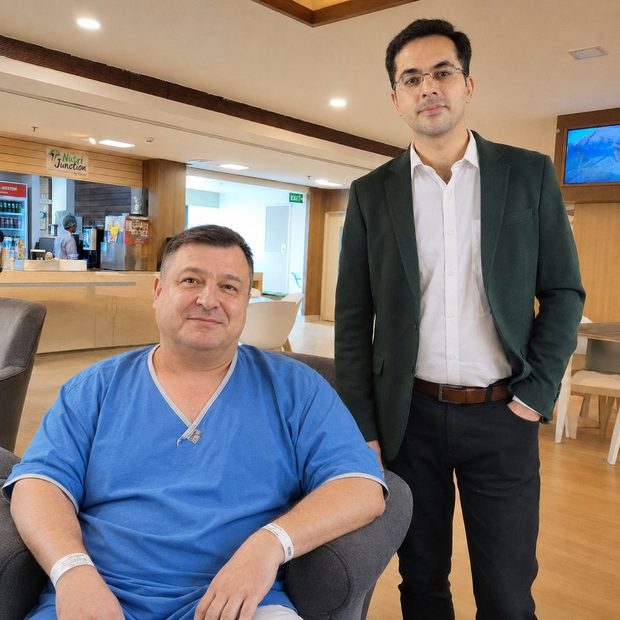
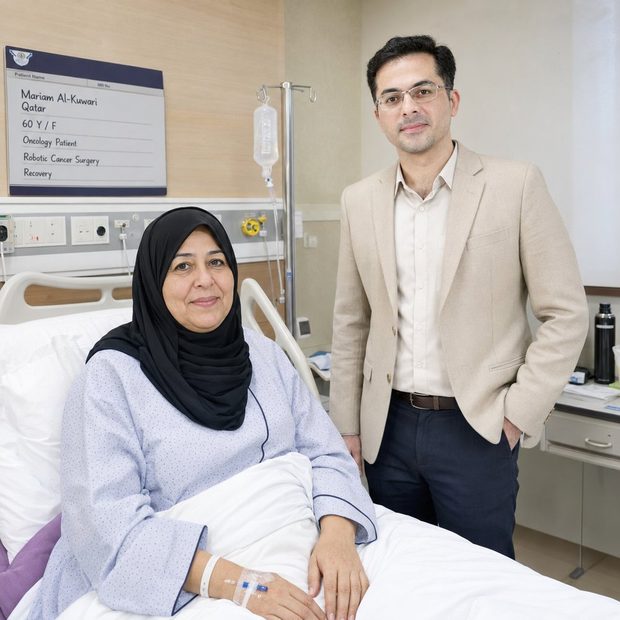
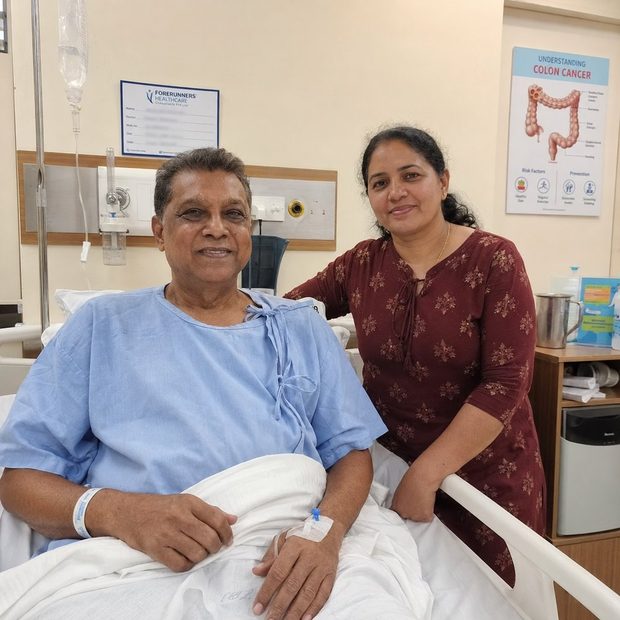
The Indian bariatric surgery hospitals provide obesity surgery at low cost and hence we cater to the patients from all around the globe. India has become the top choice for Obesity Surgery amongst the patients from across the globe because here you will get the best obesity surgeons and hospital .
We offer a world-class obesity surgery services for the overseas patients looking for the low cost obesity surgery treatment at the top rated private bariatric surgery hospital and clinical facilities in the various Indian cities.
What Are Popular Obesity Surgery Procedures?
Gastric Bypass: Gastric bypass is a complicated surgery that can last up to four hours. The most common type of gastric bypass is Roux-en-Y-gastric bypass, which is performed with one long incision. Using staples or a plastic band, a surgeon makes a small pouch at the top of the stomach. This smaller stomach is connected to the section of the small intestine called the jejunum. With this rearrangement, food bypasses the rest of the stomach. The patient feels full more quickly, so fewer calories are consumed and absorbed by the body.
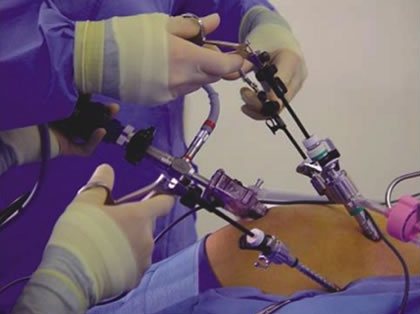
Gastric Banding : Made of inflatable silicone, gastric bands restrict the stomach. Using one of the two types of gastric bands available in the United States (the Lap-Band System or the Realize Band), a surgeon wraps a band around the top section of a patient's stomach by means of laparoscopic surgery. The band is injected with saline, causing the patient to feel full sooner and eat less. Gastric banding is a less invasive surgery and can often be performed on an outpatient basis. The bands can also be tightened or loosened as needed.
Duodenal Switch: The duodenal switch combines two surgical approaches. First, a surgeon removes about 85 percent of the stomach. What is left is shaped like a banana, about 6 ounces in size. Next, a large section of the small intestine, the section where most digestion occurs, is cut out and bypassed. With a smaller remaining section of the intestines involved in digestion, not as many nutrients and calories can be absorbed, so patients lose weight.
Gastric Sleeve Surgery: Gastric sleeve surgery is a newer type of weight-loss surgery. The laparoscopic procedure is typically used to kick-start weight loss for the extremely obese---people who are too overweight to withstand more invasive surgeries. During a gastric sleeve operation, a surgeon removes more than half of the patient's stomach. What's left takes a sleeve- or tube-like shape, and it is sealed with staples. When the patient has lost enough weight, he or she may then undergo gastric bypass or another type of weight-loss surgery.
Gastroplasty: It is also known as "stomach stapling," was once a popular type of weight-loss surgery. The original gastroplasty debuted in the 1970s. It involved stapling the stomach into a smaller section, so only a small opening was left for food. Surgeons eventually began performing Vertical Banded Gastroplasty (VBG). In this type of surgery, both staples and a band are used to reshape the patient's stomach into a small pouch. Like regular gastroplasty, only a small hole is left for food to travel into the rest of the stomach. Today, gastroplasty is not performed as often, as studies indicate many patients regain weight.
Sleeve Gastrectomy: This procedure reduces the stomach by 15% of its original size, by surgical removal of a large portion of the stomach, following the major curve. The open edges are then attached together (often with surgical staples) to form a sleeve or tube with a banana shape. The procedure permanently reduces the size of the stomach. The procedure is performed laparoscopically and is not reversible. It is usually performed on extremely obese patients, with a body mass index of 40 or more, where the risk of performing a gastric bypass or duodenal switch procedure may be too large.
Roux-en-Y Gastric Bypass: is currently the most commonly performed bariatric operation with roughly 7 out of 10 bariatric surgeons use it as their primary weight loss procedure. An easier gastric bypass operation than either Biliopancreatic Diversion Stomach Bypass, or Duodenal Switch Stomach Bypass, Roux-en-Y has been practiced for more than 30 years, during which it has demonstrated a high long-term success rate with relatively low rates of mortality (less than one percent) and post-operative health complications. Roux-en-Y patients typically lose 50-75 percent of their initial excess weight, which is a sufficient weight reduction to cure or significantly reduce most of the life threatening medical conditions associated with severe clinical obesity.
Gastric Balloon: is becoming a popular alternative to ‘going under the knife’. It is a non-invasive procedure which means no general anaesthetic or overnight stay and can be done quickly and painlessly. It can take as little as 10 minutes and you can return home after an hour. You are looking at just a day spent at home recovering although you will experience some nausea in the first week following this procedure. Your suitability for this procedure will be discussed with your surgeon. This is exactly the same as for any other obesity procedure. He/she may recommend this if you do not want surgery; if you do not fulfill the criteria for obesity surgery or as a means of achieving weight loss before undergoing a surgical procedure.
How Life Changes After Obesity Surgery?
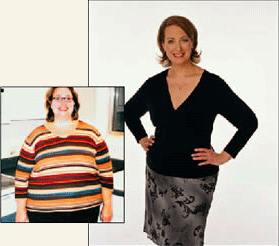
Obesity surgery is not a quick fix. It's an ongoing journey toward weight loss through lifestyle changes. After surgery, the difference in your body makes it physically easier to adjust your eating and lifestyle habits. Fortunately, you will not have to go through the process alone. A team of professionals will be there to support your efforts. Positive changes in your body, your weight, and your health will occur, but you will need to be patient through the recovery process. The following are some of the generally accepted dietary guidelines for a healthy diet after bariatric surgery:
- AWhen you start eating solid food, it is important to chew your food thoroughly and eat very slowly. It is important to wait two to three minutes after swallowing before putting the next bite of food in your mouth.
- BDon't drink fluids while eating. They will make you feel full before you have eaten enough food. Fluids consumed with meals can cause vomiting and dumping syndrome, and can lead to feeling hungry soon after a meal.
- CDon't eat desserts and other items with sugar if they have more than 3 to 5 grams per serving size.
- DAvoid carbonated drinks, high-calorie nutritional supplements, milk shakes, foods high in fat, and foods that have no nutritional value.
- EAvoid alcohol.
- FLimit snacking between meals. Eating after bariatric surgery will be much different than before!
What Are The Obesity Surgery Benefits
Benefits of Obesity Surgeries are related directly to the Obesity surgeries and procedures which are designed to reduce illness and complications caused by obesity. For many, weight loss improves multiple conditions, including high blood cholesterol, high blood pressure, diabetes, and coronary artery disease. However, such procedures require dedication and determination for those who undergo them to maintain permanent lifestyle changes. After surgery, patients who follow instructions may enjoy as much as a 60% weight loss, improving health problems as an added benefit.
TOP 5 Obesity Surgery benefits are as follows –
What Risks Are Involved In Obesity Surgery?
All surgeries come with the possibility of complications, but fortunately their incidence is quite small. These include, Slippage of the band due to food intolerances or even perforation of the stomach, vomiting after the surgery may develop which can lead to a small stomach pouch stretch. While in 10-20% of the cases, abdominal hernia may occur. It can be caused by vomiting or straining after surgery, usually before the incision heals.
Is Bariatric Surgery Safe In India?
India is carrying out more than 100 weight loss surgeries a day. Bariatric surgery being the single solution for all conditions, trust factor of patients is increasing on this procedure, due to advancement of medical science. If we talk about the numbers of procedures performed across India on daily bases, northern region predominate the highest numbers, with only in National Capital more than 25, as patients from many countries prefer to opt for surgery only in New Delhi. If you have a question – Is Bariatric Surgery safe in India ? So the answer is Yes, getting bariatric surgery done in India is very safe and risk free due to availability of the advanced treatment technologies, equipments and expertise of the obesity surgeons in India .
Why Prefer India For Obesity Surgery?
India has become the Mecca for various obesity surgeries for the international patients coming from all across the world. The world has realized the fact that the healthcare technologies in India are at par with that provided by the healthcare facilities in any advanced country, using exactly the same advanced technologies, machines and equipment as used in USA or Europe thereby delivering similar or even better results.
The International patients prefer to get various obesity surgeries like Minimally Invasive Obesity Surgery , Laparoscopic Obesity Surgery in India because of the availability of the advanced treatment technologies, equipments and expertise of the bariatric surgeons . You will find the top bariatric surgeons working with Best Obesity Surgery Hospitals providing the Surgery at low cost in India.
Bariatric Surgery Hospitals in India are well equipped with world class technologies, much superior to any other developing country. They offer an advance and best service that too at very competitive price. Hence, India is emerging as a hub for medical tourism in bariatric surgery also.
Thus, we offer a world-class low price facilitation services for the overseas patients looking for the cheaper surgery treatment trip at the top rated private specialty hospital and clinical facilities in the following Indian cities:
| Mumbai | Hyderabad | Kerala |
|---|---|---|
| Delhi | Pune | Goa |
| Bangalore | Nagpur | Jaipur |
| Chennai | Gurgaon | Chandigarh |
Besides, having a world class medical treatment, the foreign patients also have the opportunity to explore the country’s heritage places like the Taj and Red Fort, along with the natural scenic places of Goa and Kerala encompassing all the beauty of Mother Nature.
 United States
 United Kingdom
 Canada
 Australia
 New Zealand
 Nigeria
 Kenya
Kenya Ethiopia
 Uganda
 Tanzania
 Zambia
 Congo
Congo Sri Lanka
 Bangladesh
 France
 Afghanistan
 Nepal
Nepal Uzbekistan